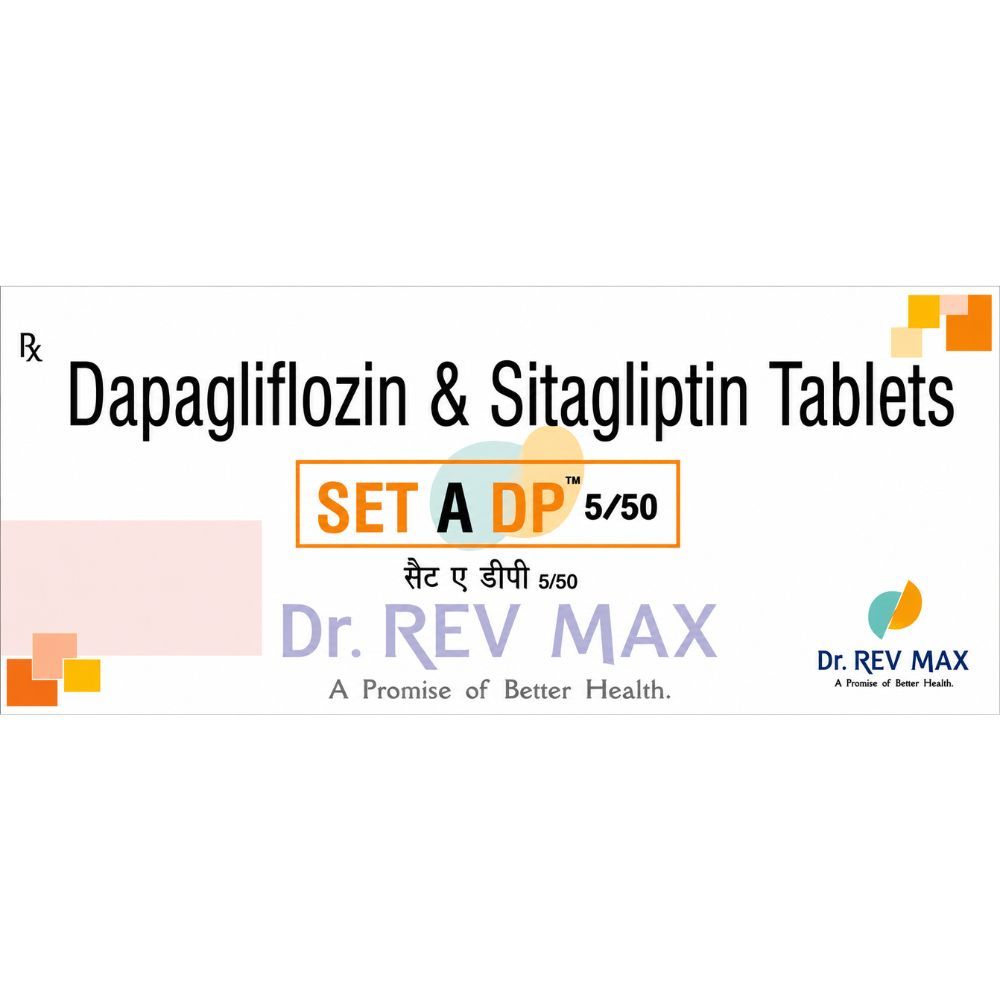
Set A DP Tablet contains active components Dapagliflozin and sitagliptin. These are two different medications used to treat type 2 diabetes mellitus. They work through different mechanisms and can be combined to help control blood sugar levels in certain patients. Dapagliflozin is a medication belonging to the class of drugs called sodium-glucose cotransporter 2 (SGLT2) inhibitors. This helps to lower blood glucose levels and reduce the overall blood sugar burden in the body. Sitagliptin is a medication classified as a dipeptidyl peptidase-4 (DPP-4) inhibitor. It regulates blood glucose levels by stimulating insulin release and reducing glucagon production, a hormone that raises blood sugar. This medication can be particularly beneficial for overweight or obese individuals with type 2 diabetes, as it can help achieve and maintain a healthy body weight. It is indicated for treating type 2 diabetes only and should not be used to treat type 1 diabetes. Individuals with known hypersensitivity or allergy to Set A DP Tablet or other components of these medications should not take them. It is primarily eliminated through the kidneys. Therefore, individuals with severe renal impairment or end-stage renal disease should not use this medication. During periods of illness, surgery, or other stressful situations, there may be an increased risk of developing ketoacidosis, particularly in those taking dapagliflozin. Temporary discontinuation of this medication during such events may be necessary. There is limited data on the safety of Set A DP Tablet during pregnancy and breastfeeding. Pregnant or breastfeeding individuals should consult their healthcare provider before using this medication.
• Type 2 diabetes mellitus
• Obese individuals with type 2 diabetes
The Set A DP Tablet in the treatment of type 2 diabetes provides a dual therapeutic effect by lowering blood glucose levels through different mechanisms: dapagliflozin reduces glucose reabsorption in the kidneys, leading to increased urinary excretion, while sitagliptin enhances insulin secretion and reduces glucagon production. This approach improves glycemic control, reduces the risk of hypoglycemia, and may offer cardiovascular and renal benefits.
Set A DP Tablet cause some side effects like all medications, although not everyone will experience them.
• Genital yeast infections (vaginal or penile)
• Urinary tract infections (UTIs)
• Increased urination
• Thirst
• Dehydration
• Low blood pressure (hypotension)
• Dizziness or lightheadedness
• Increased levels of cholesterol and blood fats (hyperlipidemia)
Set A DP Tablet can be administered orally in tablet form. The specific usage instructions may vary depending on the condition being treated and the form of the medication. Oral tablets are typically taken with water, as directed by the healthcare provider.
• Breast Feeding: The safety of Set A DP Tablet during breastfeeding has not been well studied, and limited information is available regarding its excretion into breast milk. As a result, it is recommended to exercise caution when using it while breastfeeding.
• Alcohol: Set A DP Tablet with alcohol can increase the risk of certain side effects and adverse reactions. It is generally recommended to avoid or limit alcohol consumption while taking these medications.
• Liver: If you have a liver impairment or concerns about the safety of using Set A DP Tablet, discuss these with your healthcare provider. They can provide personalized guidance and ensure the most appropriate treatment plan for your medical condition.
• Lungs: Individuals with pre-existing lung conditions must inform their healthcare provider about their medical history before starting any new medication.
• Driving: Set A DP Tablet can cause side effects that may impair driving abilities in some individuals. Therefore, caution is advised when operating a vehicle or performing any tasks that require alertness and concentration while taking these medications.
• Pregnancy: The safety of Set A DP Tablet during pregnancy has not been extensively studied, and limited information is available regarding its use in pregnant women. So it is advisable to consult a healthcare provider before using it.